
It is important to remember that God gave the bread as a test (Exo 16:4). People were only supposed to take exactly what they needed (Exo 16:16). At the same time, none was supposed to be left on the ground (Exo 16:19). Both of these can be true because God always meets our needs in His provision.
Shortly after the exodus of Egypt, the people of Israel were provided daily bread by God. This bread, manna, fell every day onto the ground for the people to collect. While God provided the bread, the people were responsible to collect it each and every day (Exo 16:4).
We know that God is gracious to give. But God has also promised to give perpetual. Every day is “today”. And each and every day we are to pray to God for the means of provision for that day. Though these provisions are usually physical, Jesus taught us that the true essentials of life are spiritual (Matt 6:25).
After making the glory of God this prayer’s primary importance, we are now led into supplication. Give is not a demand or a command. Give is the manner in which servants speak to their master. Our God is a gracious God and we are owed nothing.
With this foundation the psalmist extols the work of God in history: He will protect His people forever. The word “generation” may here refer to a type of person, the unrighteous who bring destruction. Then this psalm would sing out eternally for the people of God to remember as they see wickedness on “every side” (v. 8). There is nothing to appear in the conclusion when the Lord’s pure word establishes the protection of “us”, the “godly ones” (v. 1), forever.
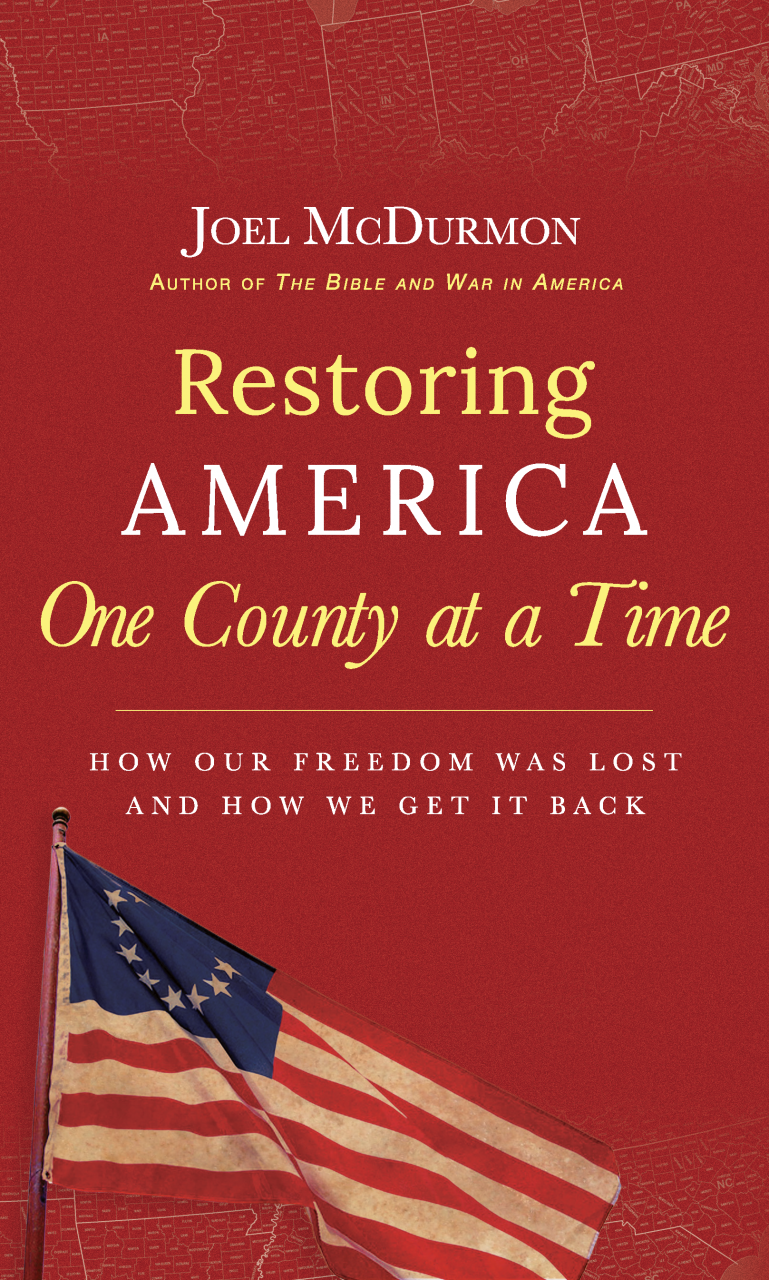
Wanted: Robin Hood
Why am I seeking a Robin Hood figure? Because I’ve recently finished the chapter on taxation in Joel McDurmon’s book: Restoring America One County at a Time.
Warning: controversial.
Perhaps more technical then previous passages, this verse in particular can hold a significant key in understanding the rest of this epistle. It is well known that Paul was not one of the first of the Jewish believers (1 Cor 15:8). There is no reason to believe that Paul here is speaking concerning his place of conversion amongst other Jews.