Come along; witness the fun!

Torrey Gazette is the combined work of everyday Christians blogging on books, family, art, and theology. So pull up a seat and join us. Family Table rules apply. Shouting is totally acceptable.
When we are called to worship God week in and week out we are reminded that we have been called to be human in a new way, the way of Jesus. One of the clearest ways that this is evidenced is in the fact that Christians come together each week to worship together rather than remaining in their individual lives.
We have gone so far down the rabbit hole of the Modern nation-state that it is difficult for us to imagine anything (institution, program, or belief) having any weightiness to it unless it is backed (in some way or another) by the government.
I finished reading James K.A. Smith's book Desiring the Kingdom: Worship, Worldview, and Cultural Formation a couple weeks ago. I would have to say that it is the best book I've read this year (so far). The book does a wonderful job at challenging the popular conversations surrounding "Christian Worldview" talk without being over critical while at the same time offering an attractive alternative. Smith argues throughout the book that centering the Christian faith around something like a "worldview" has many pitfalls. Again, it should be noted that Smith is not advocating that we abandon the concept of developing a "Christian Worldview" but suggests that such a center cannot hold.
While all of the Scriptures funnel to the ultimate Word of God in Jesus Christ, we must remember that Christ was sent to reveal the Father we had not seen. He is the image of the invisible God. Preaching Christ is to glorify the Father whom He reveals. It is note solely to end at Christ.
One of the biggest faults and failures of modern churches and modern Christian families has got to be their failure of teaching the story of the Old Testament (on both a macro & a micro level) to their congregants & children. Due to our ignorance of the Old Testament we reduce our readings of the New Testament to an individualistic mining exercise: we search the text for "timeless truths" that will apply to us. The result is often that we are woefully ignorant of what the text is actually SCREAMING at us and consequently miss out on the REAL ways the text necessarily applies to our lives.
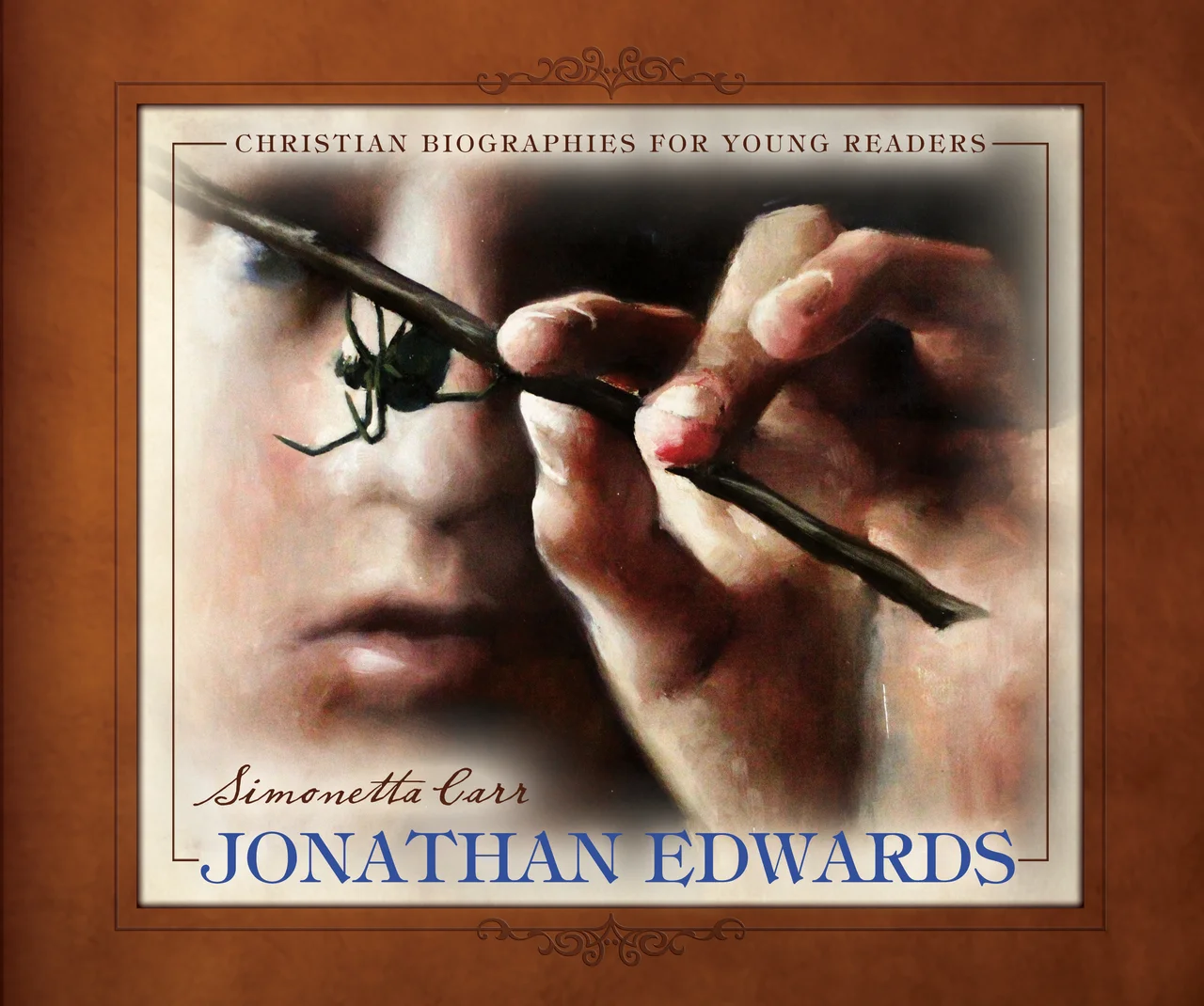
Thankfully, Simonetta Carr and Reformation Heritage Books are providing introductory level biographies that are engaging. The latest in their “Christian Biographies For Young Readers” series, Jonathan Edwards focuses on the theological and pastoral giant of the 18th century.
Tomorrow I will turn 28. It is hardly 30 but I'm growing sentimental. Maybe it is the three kids. Granted, I am already giving away my young age by not titling this with "LPs." But I am also not of the "hit single"-download-off-iTunes era.
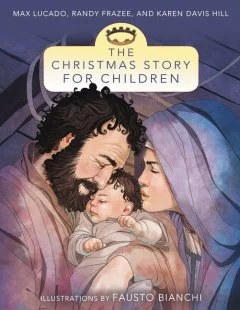
Our daughter absolutely loved the book and our reading it during family worship. The Christmas Story for Children is an excellent little book for the advent season.
"Public truth" is how Wright (and others) have described the Christian faith. What this means is that Christianity serves as an over-arching storyline in which the Christian makes sense of the world. There is no part of the world which the Christian does not see through the lens of the "Christian story." To say that a Christian must keep such a thing private is to demonstrate such a degree of ignorance that is almost unbearable.
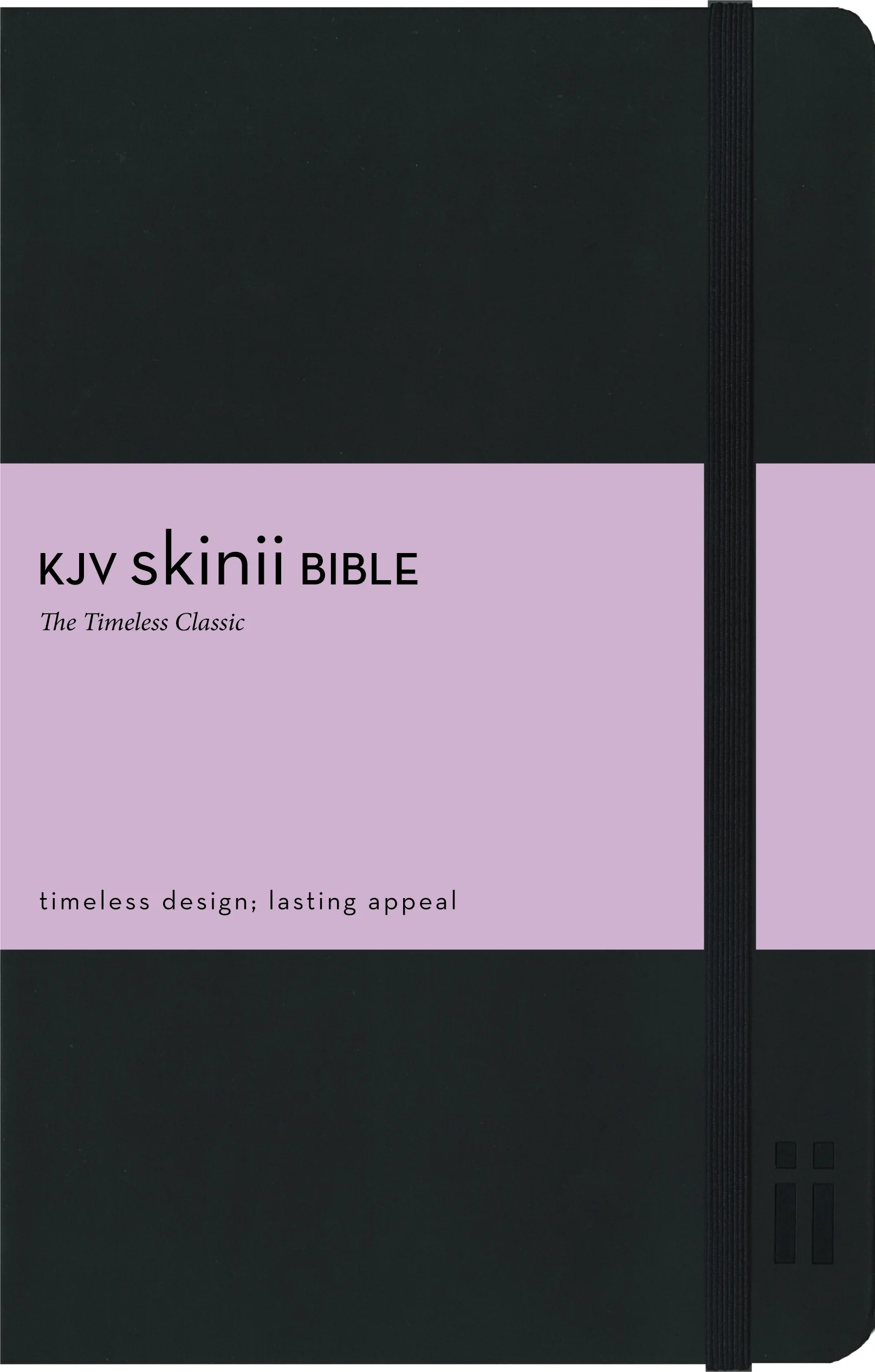
Fans of the KJV will be hard pressed to find a more stylish and efficient edition. Individuals seeking a more literal translation will thoroughly enjoy the KJV Skinii Bible as well.
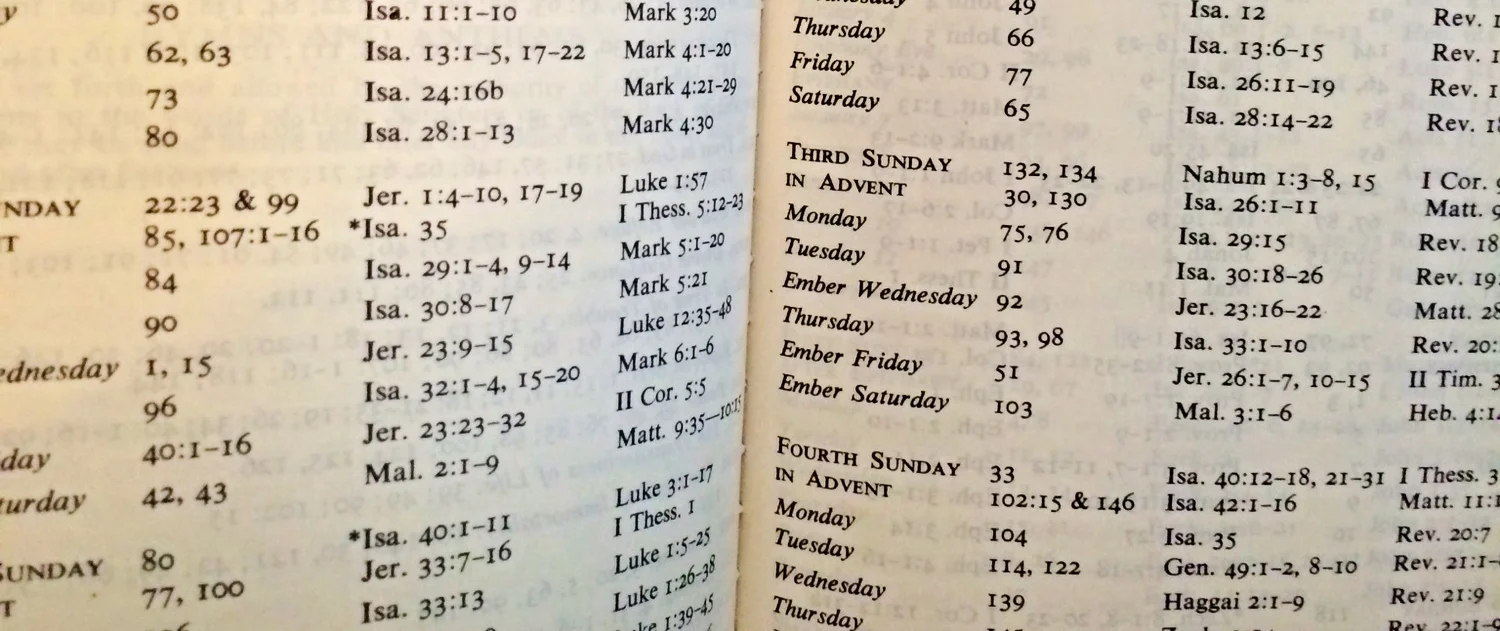
We must always be telling ourselves that it is never "whether" but always "which." It is not whether we will have a liturgical calendar that will rule our years, it is which liturgical calendar will rule our years. There are many competing liturgical calendars that are vying for your service.
It seems clear that much of the public outcry for "planet-saving" is steeped more in the desire to be glamorous than in the desire toward small, humble, and unrecognized work at home. Ultimately, like almost all things that are worth doing, the desired results can only be accomplished through humble faithfulness with a multi-generational perspective: in other words, covenantally.
I tried to write this piece twice now. I keep deleting it and pretending it isn't on my mind. So instead I'm just going to forgo waxing elegantly.
This was a hectic month with some pretty awesome reading from some excellent publishers. There were multiple kid's books reviewed as well. Those are not included here. I commend to you the book review page. There you will find all kinds of awesome stuff. Enjoy regardless.
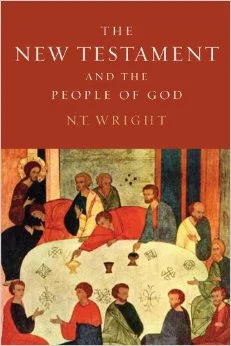
It's important to understand that the scriptures (specifically the New Testament in this sense) were written in space & time to a certain people in space and time. None of this means that what was written then is no longer applicable to the modern reader, rather, Wright contests that in order to obtain a modern application from the text would depend on obtaining the ancient application. Our approach should not be to divorce the scriptures from the place and time they were written in order to acquire their "higher meaning." Instead we should look to understand exactly what scripture was addressing so that we may see how it does (and does not) apply to us today.
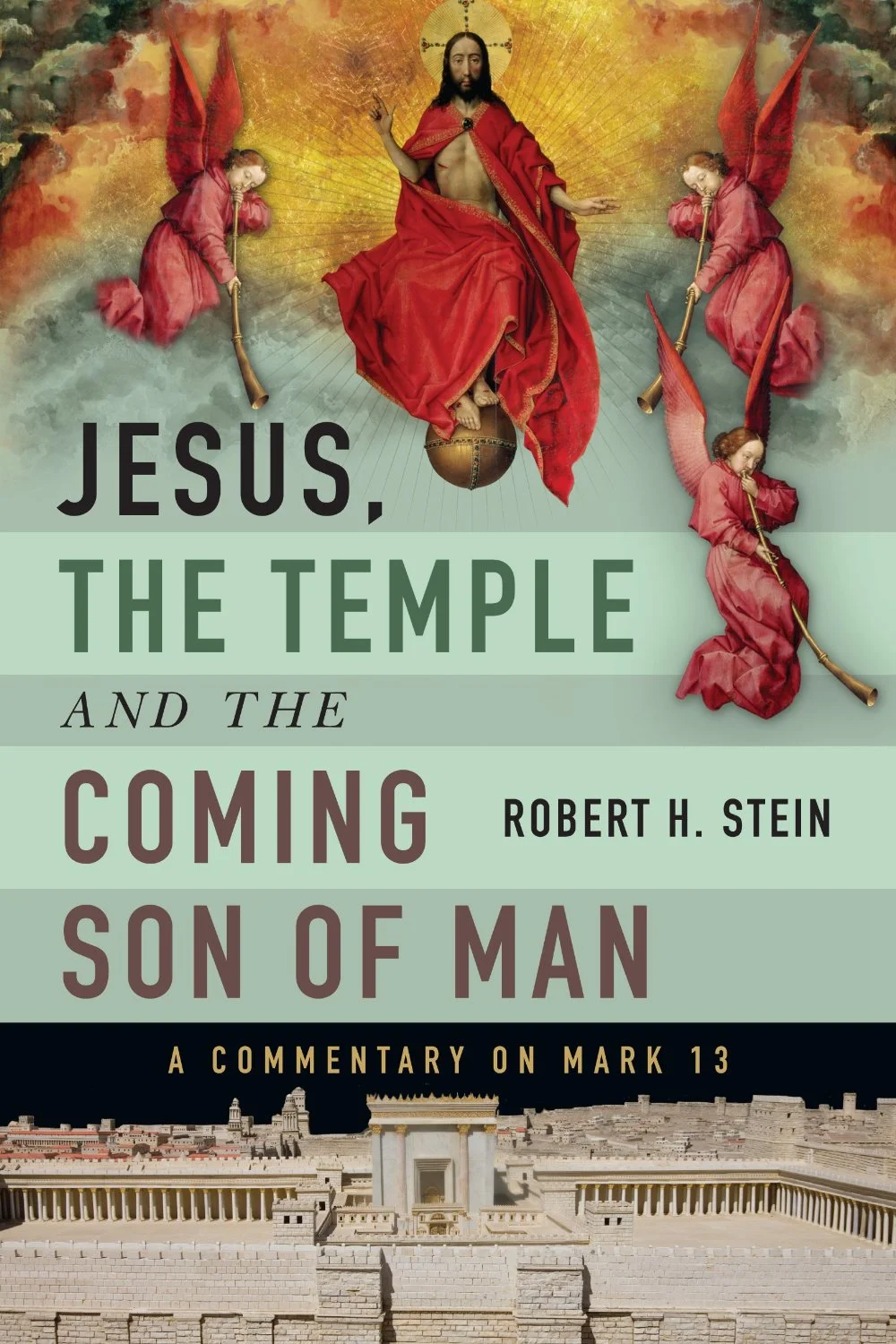
Jesus, the Temple and the Coming Son of Man is a focused effort to re-acquaint readers of the Scriptures with the meaning of Christ as recorded by Mark. Stein provides a scholarly, yet condensed, approach that laymen and pastors will find extremely valuable.
Perhaps this explains how we can know certain things but not be moved (or broken) until we see. Perhaps this teaches us the importance of seeing in ministry.
It was a pastor’s conference - I ought to have been prepared.
In the coming weeks I will be taking a look at different liturgical aspects of the historic Christian church. I hope this series will shed light on the different liturgical aspects in the church so that you (the reader) will find your participation in the liturgy of the church more fruitful and engaging.