The Scriptures teach moral responsibility from the womb. They teach faith from the womb. God can save at any age because salvation is a restored relationship to God not one's mental comprehension of Him.

Torrey Gazette is the combined work of everyday Christians blogging on books, family, art, and theology. So pull up a seat and join us. Family Table rules apply. Shouting is totally acceptable.
The Scriptures teach moral responsibility from the womb. They teach faith from the womb. God can save at any age because salvation is a restored relationship to God not one's mental comprehension of Him.
With respect to Leeman's attempt at piety over the role parents I wish he would quote some Scripture. Instead I will mention some.
The confession-oriented churches (credobaptism) have dispensed with this unity for a modernist community of convenience and exclusion.
The goal for Christians should always be, first and foremost, to be Godly people no matter what systems they find themselves in. At the same time, Christians should never be content to allow faithlessness toward God to exist in systemic ways.
Growing up in a conservative background, the default, the “biblical”, position was six literal 24-hour days. “The bible says day so it means day” was the logic. While admirable for taking the bible seriously as the inspired, inerrant Word of God, such literal biblicism misses the point that the creation narrative is not a scientific how-to guide for creation, it is a story portraying the creational work of God; it is a historical narrative.
Gripping and thought provoking, Parrish has crafted a story well worth engaging. The characters are recognizable, yet authentic.
What I would encourage you to do is study the material in the original language, from both young earth creationist and old earth creationists. If all we do is read from our own camp, and in a translated language, we will inevitably miss the vastness of the creation narrative.
Ever since God’s incarnate Word broke forth from the tomb on Easter morning Genesis 1 is happening all over again. The world is being re-created.
This book, and its particular evangelical paradigm, have an important role in the creation discussions.
If I had small kids, I'd probably take them to this
Creator God is the one to whom I cling, and the one who has gifted His creation with the image of Himself.
Heck, if I become convinced of the science I'll gladly accept many more of Walton's propositions. But for now I'm going to sit back and enjoy Genesis 1 as the description of a very old materialistic creation.
I now propose some considerations on some of the greater themes of scripture from their points of origin within the Divine story of origins: the probationary period of Adam and Eve in relation to eschatological rest, and the garden of Eden as the temple of God.
Christians are called to do what is good and learn to not be prideful in their good works through repentance.
My ears perked up when I heard a question about the age of the universe. I tapped my dad on the shoulder and we listened attentively.
The Genesis 1 account, written in Hebrew, seems to be one of the more complex sections of Scripture. Considering, also, that it is the beginning of the Christian scripture, that seems to make a lot of sense that this would be the most dense and complicated text it all of the Bible.
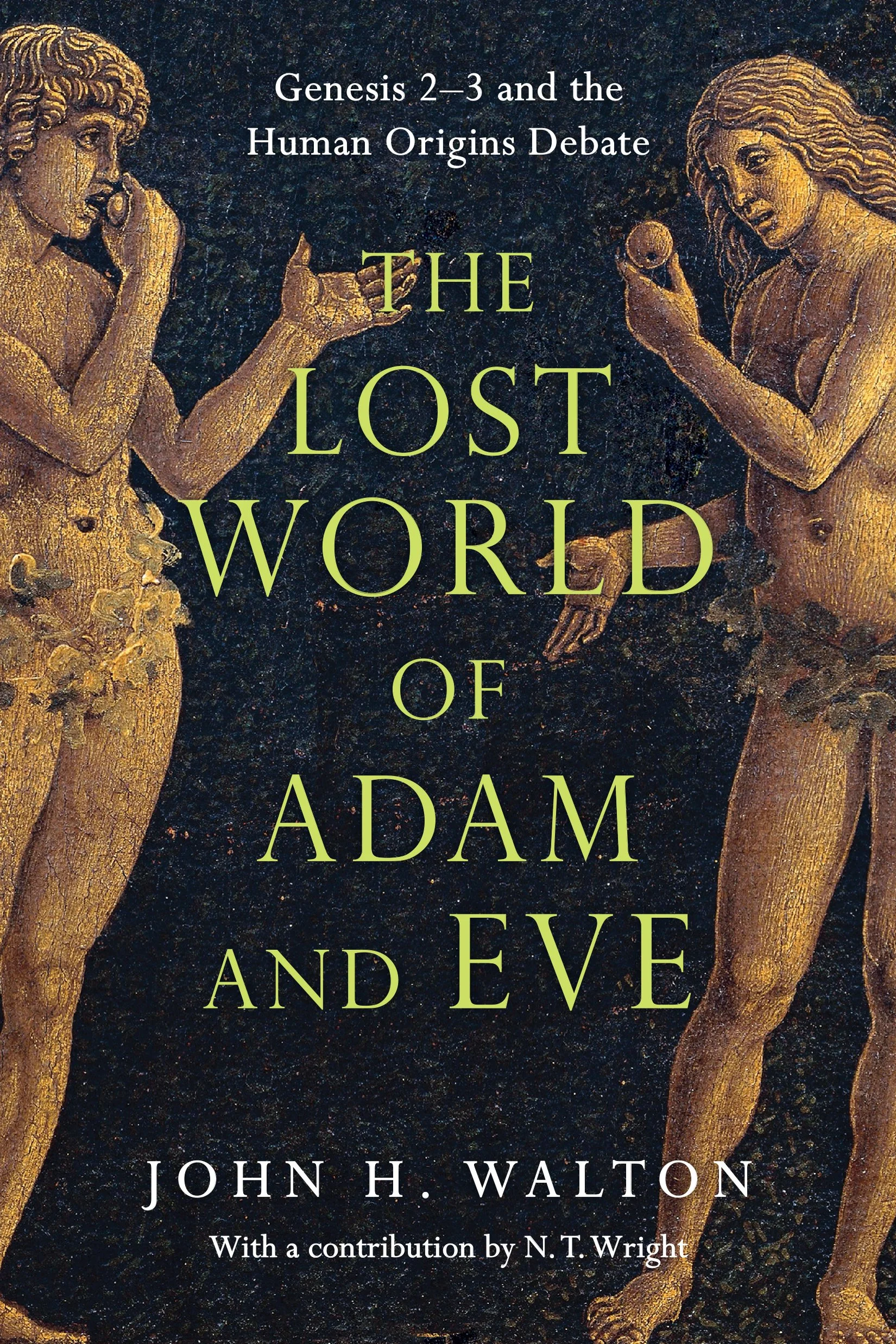
The Lost World of Adam and Eve presents new ideas to conservative readers. Young-Earth creationists will find themselves confronted by many conflicting elements and arguments. In his conclusion, Walton reveals his concern for those entering higher education with misguided piety and overly protective ideals (209-210).
The Bible gives us God's account of the creation of the world. It took him seven days to do it. Are these days like the days we currently experience? Probably not. Are we even capable of putting the days of creation under our proverbial microscopes? Again, probably not. At this